
I keep a daily journal. Most mornings, I sit down and write about the day before: what I did, who I met with, how I felt, and what I ate. It's a habit I've kept for years. I like having a record to look back on.
Recently, my wife and I spent ten days on vacation in Italy. We were up early for tours, walked all day, and stayed out late for dinner. For the entire trip, there was never a quiet morning hour to write anything.
When we returned home, we had captured 1,288 photos and videos, but no notes for my journal. I really wanted to remember all the incredible things we experienced, but it was nearly impossible to do from memory. So I tried a new method: AI. I exported all the photos and videos from both our iPhones into a single folder on my computer, pointed Claude at it, and asked it to build the story for me.
Our phones had already recorded the time and location of every image. Claude used that data to put the trip in order, hour by hour. It read the restaurant signs and menus in our photos and even identified the dishes we ordered from the pictures we'd taken of our meals. Then I added more information: our travel itinerary, my credit card statement, and my Swarm check-ins. It pulled the hotel, guide, and driver names from the itinerary and used the credit card transactions and check-ins to pin down exactly where we ate. Finally, I added details no photo could show, like the conversations we had and some surprises along the way.
Here are two short excerpts from the story, which Claude wrote. Note that I asked Claude to write in the third person.
Example 1. From our day on Capri:
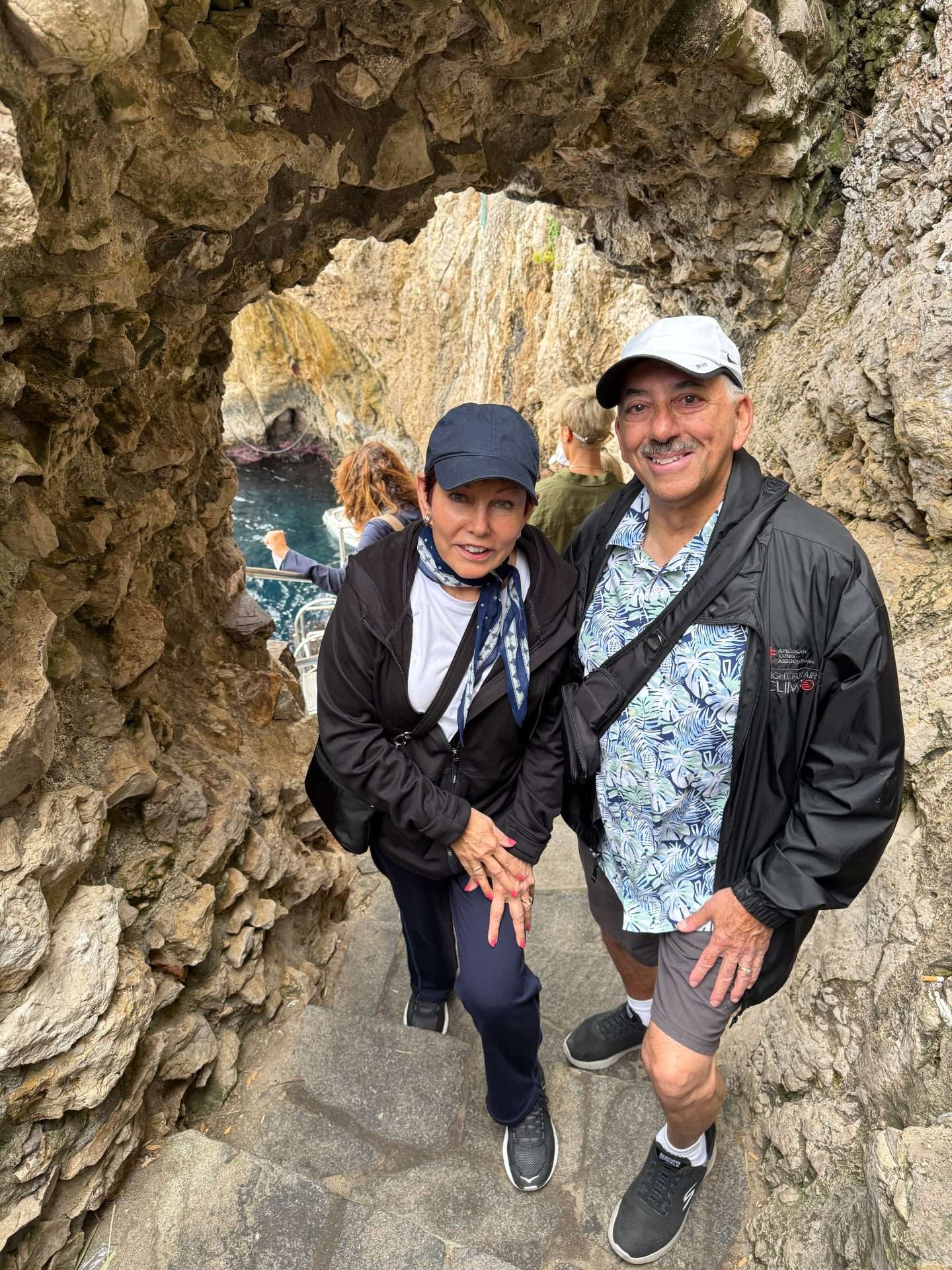
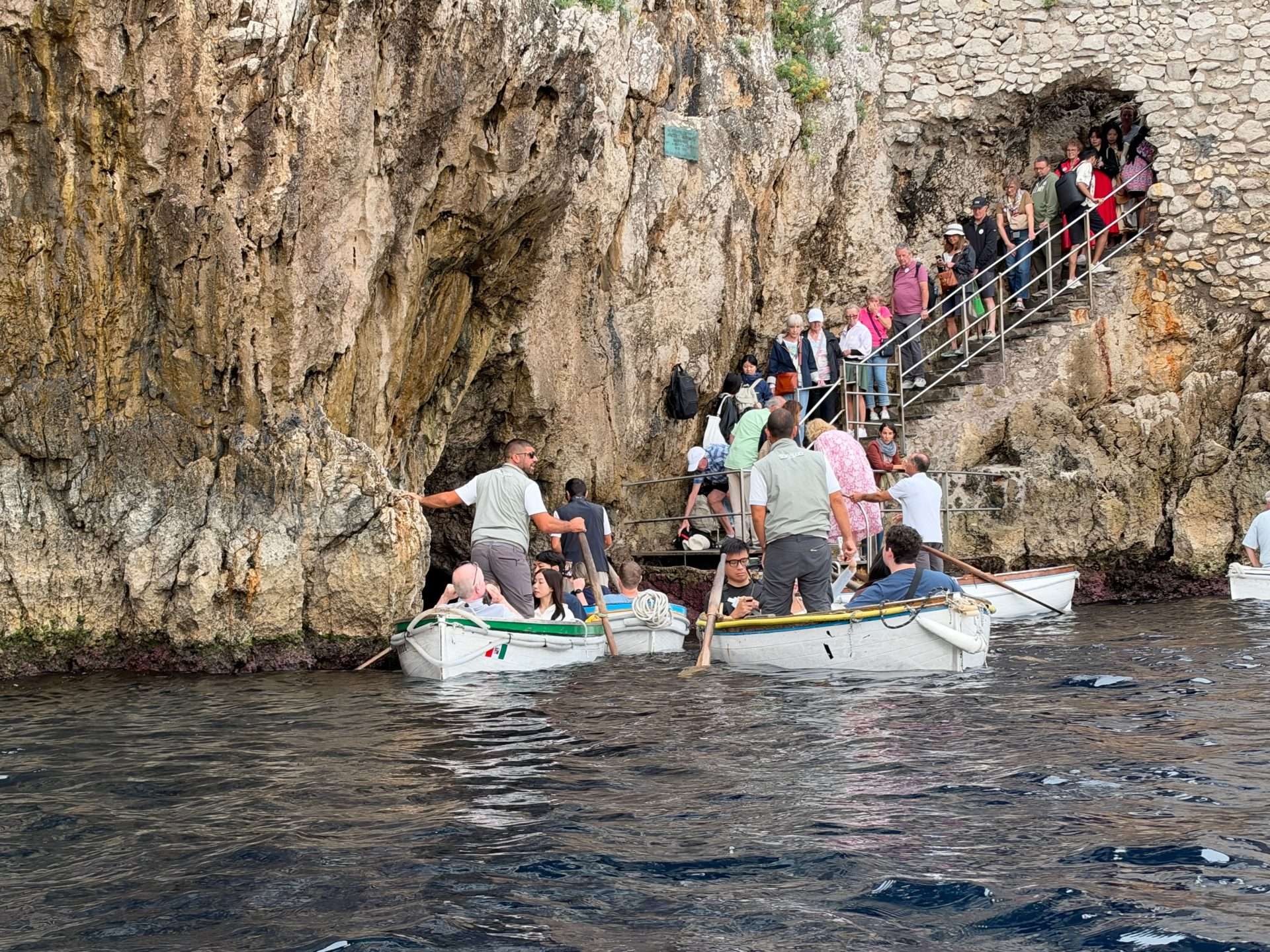
Tuesday was the longest guided day of the trip. Their guide, Lucrezia, met them in the lobby at 7:30 for a full day on Capri. At 8:09 a.m. they were on a boat out of Sorrento, and an hour later they were waiting with the other boats outside the Blue Grotto (Grotta Azzurra).
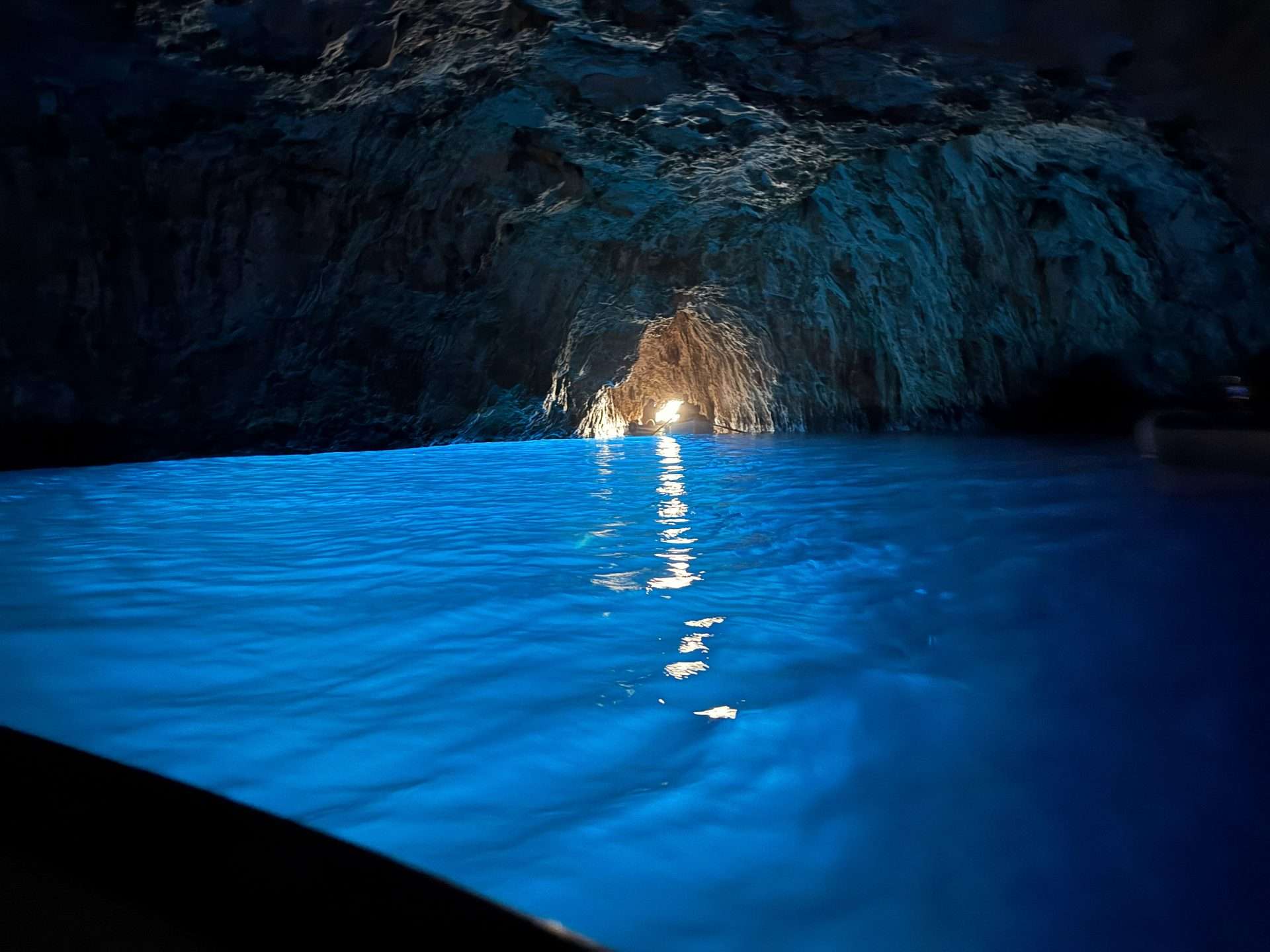
While they waited, they posed under a rock arch on the stone steps above the water. Then they got in a rowboat and entered the cave through the very low opening in the cliff, ducking so they wouldn't hit their heads. At 9:32, they were inside. The Blue Grotto is a natural sea cave. Sunlight enters the water and reflects off the limestone walls, making the water look bright blue. It was a beautiful experience for them.
Example 2. Our first full day in Rome:
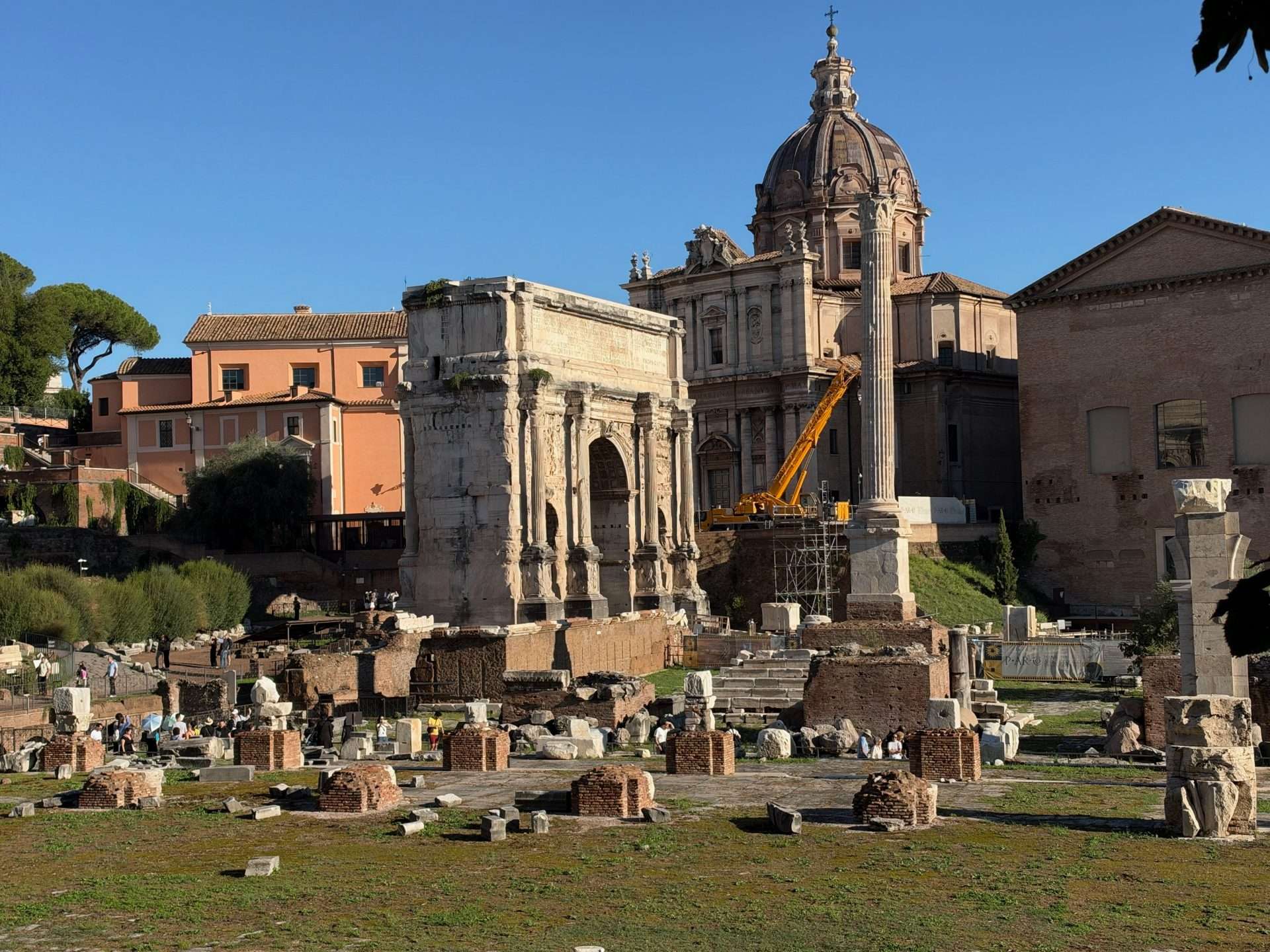
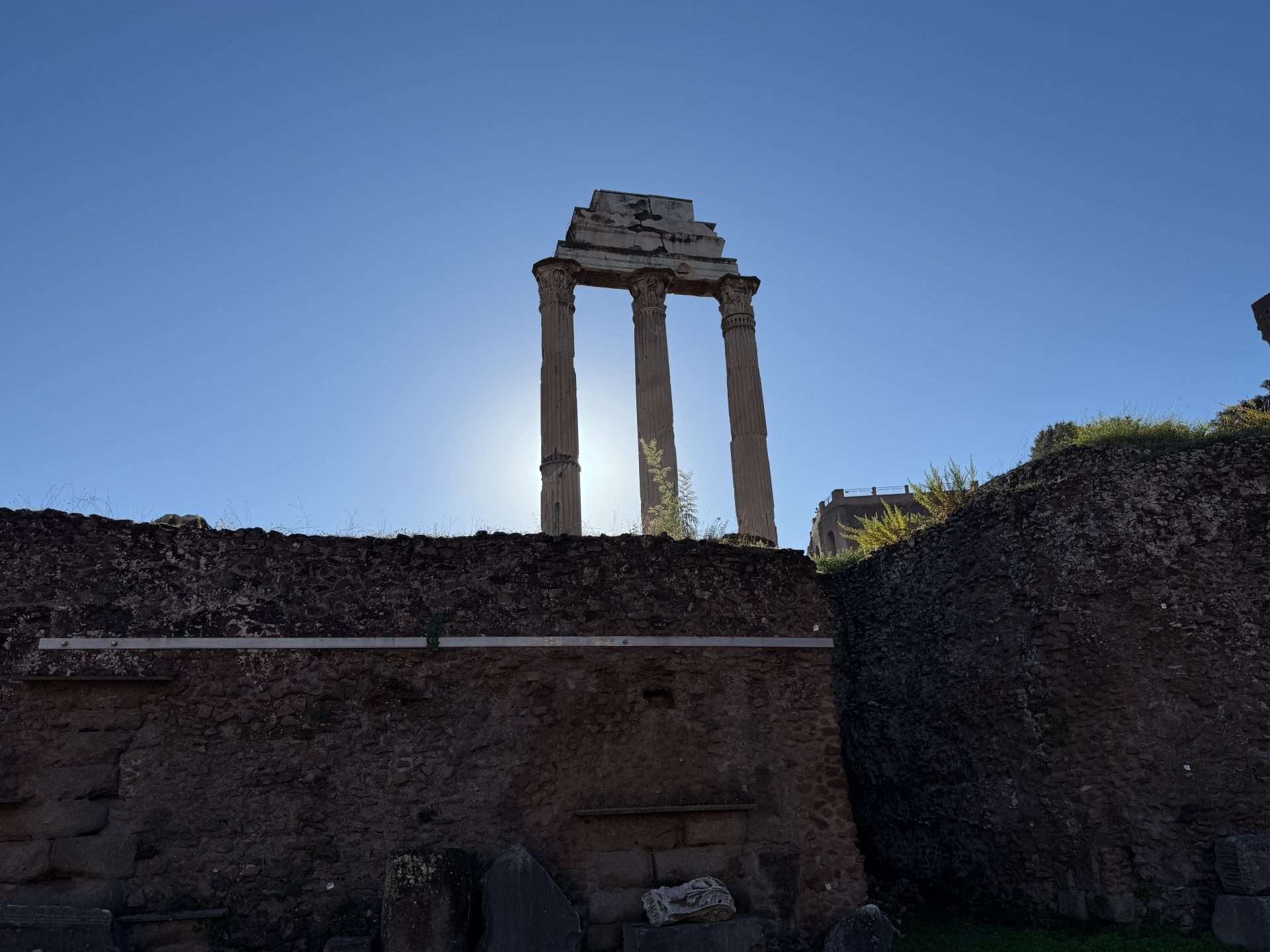
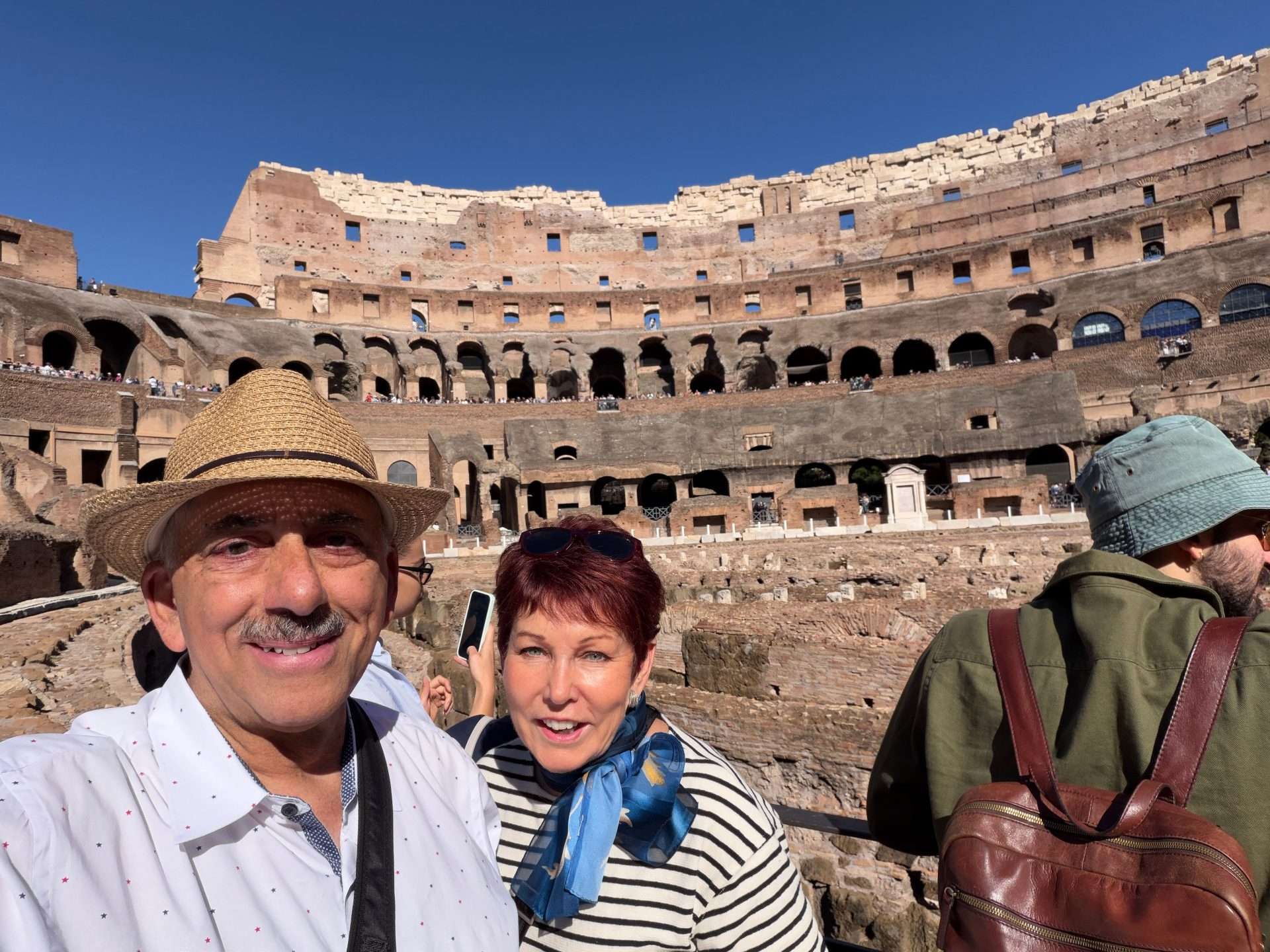
On Sunday at 9 a.m., their guide, Letizia, met them in the lobby. By 9:25, they were in the Roman Forum. They saw the Arch of Septimius Severus, the three remaining columns of the Temple of Castor and Pollux, and the Temple of Antoninus and Faustina, where they took a selfie at 9:49. They walked up the Palatine Hill and under the Arch of Titus, reaching the Colosseum (Flavian Amphitheatre) at 10:27.
They entered the Colosseum at 10:45 and took photos looking down into the arena and the hypogeum (underground) beneath, where gladiators and animals waited before the games. From the upper level, they could see the Arch of Constantine and the Palatine. At 11:20, they took a photo with the stands behind them, which seated an estimated 50,000 to 80,000 people. Construction of the Colosseum began around 70 to 72 AD and was completed in 80 AD. Incredible!
The full narrative runs about 4,000 words, day by day, and names all 13 restaurants and all seven guides. It isn't something I would have written, and it isn't something I'd publish in full. It doesn't reflect my writing style, my perspective, or how I felt along the way. But it's more detailed than anything I would have recorded, with times and names I might have forgotten. It even picked up on the man in Sorrento who handed Jacquie three red roses and then wanted money for them. It cost me 6 euros ($6.70), and I'd forgotten all about it until I read it.
I'm keeping the narrative as a record of the trip. It just isn't my journal.
On my next trip, I'll probably take more notes along the way, though most of them will be photos. I'll shoot the signs, menus, and receipts, plus the museum labels next to the art. At the end of each day, I'll try to record a short voice memo with my thoughts, even if it's just a minute before I fall asleep. Claude can sort out the facts later.
If you'd like to try this yourself, here's the prompt I'll start with next time. I used Claude, which could read the whole folder on my Mac. Other AI tools may need the photos uploaded in smaller batches. Just fill in the bracketed parts with your own details.
TRAVEL JOURNAL PROMPT
Please draft a written narrative of a trip, built from my own photos and records. Tell the story in chronological order, day by day.
THE TRIP
Name of trip: [trip title]
Travelers: [names]
Dates: [start] to [end]
Places: [cities, day trips, major sites]
People to know about: [family, friends, or anyone we met]
SOURCES (use all of them and cross-check)
- Photos and videos in [folder name]. Read every file's capture time and GPS, sort them in order, and turn the GPS into place names. Look at the photos themselves for signs, menus, plates, badges, and landmarks.
- The tour itinerary [file names]: hotels, guides, drivers, trains, flights, and transfers.
- My credit card statement [file name], to identify restaurants, shops, and other purchases. Merchant names may be company names, so match them to the photos by date and location.
- My Swarm check-in history [file name], to fill in places the photos missed.
- My notes [attached or pasted]: names, stories, and corrections. My notes override everything else.
HOW TO WORK
- Find the names of every restaurant where we took photos. Use signs and menus first, then the credit card statement, then the GPS location. Tell me which names are confirmed and which are best guesses.
- Use real times from the photos ("At 12:12, they reached the Forum").
- Don't invent details. If something is unclear, ask me, or flag it, and keep going.
- Check facts about history, art, and religion before stating them.
- When you're done, read the whole document again for contradictions, typos, and facts that conflict between sections.
WRITING STYLE
- Plain, conversational English, in the third person, using the travelers' names.
- No flowery or poetic language, and no scene-setting fluff. Just say what happened.
- Use the Oxford comma.
- Avoid em-dashes and semicolons.
- Use short paragraphs, with headings by place and date (for example, "Florence: October 7 and 8").
STRUCTURE
- Open with a short paragraph explaining the sources the narrative was built from.
- Include meals (restaurant names and what we ate), purchases, guides and drivers by name, and the people we ran into.
- End with a summary paragraph covering the cities and sites, the guides by name with their cities in parentheses, the number of restaurants, the memorable encounters, and the total number of photos and videos.
DOCUMENT HANDLING
- Start the draft as a document I can edit and comment on.
- Once I move to a Word file, make every change in that Word file and keep my formatting and wording. I'll close Word before you edit.
- Before making changes I didn't ask for, show me what you plan to change.
0 Comments